



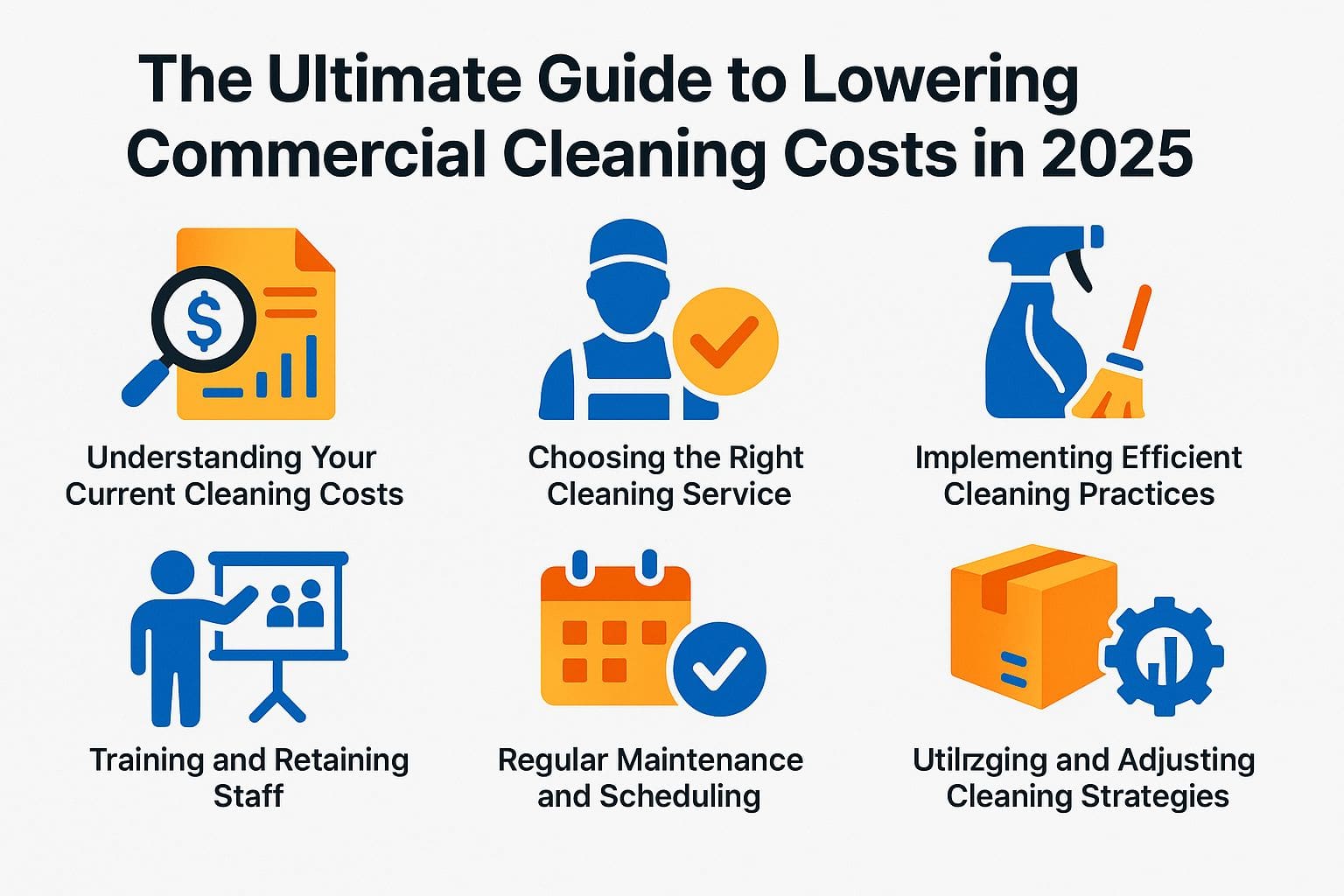
The Ultimate Guide to Lowering Commercial Cleaning Costs in 2025
Cutting costs doesn’t mean sacrificing cleanliness in commercial cleaning. As a business owner, knowing how to handle the costs of your commercial cleaning is important in 2025. This guide dives into analyzing your current costs, selecting the right service providers, managing cleaning services, and implementing efficient practices that can save you money. Learn practical ways to make your cleaning process more efficient, keep employees longer, and make the most of your cleaning budget. Your path to lower costs starts here!
The Importance of Cost Management and Price Negotiation in Commercial Cleaning
Managing cleaning costs is essential to maximize profitability and maintain high service standards without sacrificing quality.
Using scheduling software such as Janitorial Manager helps companies lower labor expenses by improving staff planning during busy periods, enhancing operational efficiency.
Investing in high-quality, durable equipment can lead to long-term savings; for instance, a commercial-grade vacuum may have a higher upfront cost but can last years longer than cheaper alternatives.
Tracking supply inventory with tools such as CleanGuru allows businesses to avoid over-purchasing and reduce waste, supporting waste management goals. For a deeper understanding of managing costs, our comprehensive study on office cleaning services costs offers valuable insights.
Good cost management can improve services and make customers happier.
Overview of the Guide: Strategies for Budget Management and Service Optimization
This guide provides useful tips for handling costs, improving cleaning methods, and raising service quality in commercial cleaning.
To effectively manage expenses, focus on three key areas:
- Supply management
- Workforce scheduling
- Equipment usage
Start by negotiating bulk purchasing agreements with suppliers to lower cleaning product costs, a key aspect of strategic sourcing.
Use scheduling software like Janitorial Manager to organize staff shifts, ensuring you have the right number of cleaners during busy periods without overstaffing.
Consider investing in energy-efficient cleaning equipment, such as microfibre mops and low-water use carpet cleaners, which can significantly reduce utility and replacement costs over time.
By carefully focusing on these elements, you can improve both service quality and profits.
Knowing Your Present Cleaning Expenses
Examining your current cleaning costs helps you make better budget choices and plan resources.
Analyzing Your Cleaning Budget
Start your cost review by dividing your cleaning expenses into detailed sections: wages, materials, and tools.
To effectively analyze your cleaning budget, begin by tracking expenses in each category. Use QuickBooks or a simple spreadsheet to document where your funds go.
For labor, log hours and rates; for supplies, keep receipts of purchases; and for equipment, note depreciation over time. You can use a predefined template that includes columns for dates, descriptions, and amounts to categorize your costs clearly.
Regularly reviewing this data-ideally monthly-will highlight spending patterns and areas for potential savings.
Identifying Major Cost Drivers
Identify key cost drivers such as labor, cleaning supplies, and equipment maintenance, which can account for over 75% of total cleaning expenses.
To mitigate these costs, evaluate labor hours by analyzing workload patterns and scheduling shifts accordingly, which can reduce overtime.
Buying cleaning supplies in large quantities reduces costs and improves connections with vendors. Use tools like QuickBooks to keep track of your spending.
Establishing a regular maintenance schedule for equipment prevents costly repairs and maximizes lifespan.
Implementing these strategies can lead to a 15-20% reduction in overall cleaning expenditures.
Choosing the Right Cleaning Service
Choosing the right cleaning service is important to get good results and stay within budget. For a comprehensive understanding of potential expenses, consider reviewing the detailed insights on office cleaning costs.

Evaluating Service Providers
When evaluating potential cleaning service providers, consider factors such as pricing, reputation, and service level agreements (SLAs).
- Start by checking online reviews and ratings on platforms like Yelp or Google My Business to gauge reputation.
- Request references and reach out to past clients to inquire about their experience, focusing on reliability and quality of service.
- Next, carefully examine SLAs to confirm they include important details such as how often visits happen, cleaning steps, and how quickly complaints are addressed.
- Using a scorecard can help you compare these features from different providers, leading to a better decision.
- Pay attention to getting good service while keeping expenses reasonable.
Comparing Quotes and Services
Request detailed quotes from at least three service providers to facilitate an informed comparison of services and costs, helping in price comparison and service reviews.
To properly compare quotes, make a list that covers things like cost, what’s included in the service, how long the contract lasts, and rules for canceling.
Use Google Sheets to arrange this information next to each other for clear viewing. For example, in the first column, list the providers, while subsequent columns cover each criterion.
This structure helps find hidden costs and shows the total worth of each service. By organizing this, you can decide better based on what you specifically need.
Implementing Efficient Cleaning Practices
Using efficient cleaning methods can reduce costs and improve how smoothly operations run, enhancing cleaning efficiency. One of our most insightful case studies further explains how understanding the costs of office cleaning services can contribute to more strategic operational decisions.

Adopting Green Cleaning Solutions
Adopting eco-friendly cleaning solutions can reduce waste and lower costs by utilizing less harmful materials without compromising effectiveness, supporting business sustainability.
Many eco-friendly cleaning products are both safe to use and work well. For example, Seventh Generation All-Purpose Cleaner Priced at $3.99, it is made from plant-based ingredients, offering a budget-friendly choice.
Another option, Mrs. Meyer’s Clean Day Multi-Surface Concentrate, costs about $7.99 for a multi-purpose cleaner.
If you want to save money, consider mixing vinegar and baking soda to make your own cleaners. They are both inexpensive and safe.
Switching to these products helps protect the environment and makes your home healthier for you and your family.
Utilizing Technology and Automation
Using technology in cleaning tasks can make work more efficient and cut labor costs by up to 20%, a key factor in cleaning innovations.
To make cleaning tasks more organized, use scheduling software such as Janitorial Manager to manage jobs effectively.
Begin by setting up a simple cleaning schedule that outlines daily or weekly tasks, so staff members understand what they need to do. Use automation tools like CleanTelligent to improve the way teams and clients communicate. It gives instant updates on finished tasks.
These technologies reduce costs, increase accountability, and improve service quality, allowing for quicker responses to client needs and boosting satisfaction.
Training and Retaining Staff
Spending on employee training and retention plans is important for keeping a talented and motivated cleaning team.
Investing in Employee Training Programs
Effective training programs can reduce errors and improve cleaning standards, resulting in a 15% increase in customer satisfaction ratings.
To build a strong training program, begin by identifying the important skills your team needs, like safety rules and using equipment properly.
Implement a blend of training methods, including on-site workshops for hands-on skills and e-learning platforms like Skillshare for theoretical knowledge.
Hold training sessions every two weeks to help staff remember what they’ve learned, and give regular tests to check their progress.
Businesses can benefit greatly from investing approximately $1,000 in a complete training program. This investment can lead to improved work processes and reduced liability expenses.
Enhancing Employee Retention Strategies
Implementing effective employee retention strategies can decrease turnover rates by up to 30%, saving significant recruitment costs and enhancing workforce management.
To achieve this, consider integrating mentoring programs, which connect new hires with experienced employees for guidance and support.
Allowing flexible work hours can improve work-life balance, resulting in greater job happiness. For example, Salesforce adopted a hybrid model that resulted in increased retention during the pandemic.
Implementing reward programs for milestones can motivate employees to stay longer; for instance, Google provides bonuses and recognition events for years of service.
These initiatives create a more engaging and supportive workplace culture.
Regular Maintenance and Scheduling: Ensuring Compliance Standards and Service Quality
Regular maintenance and planning are essential to make the most of cleaning jobs and prevent costly repairs.
The Importance of a Cleaning Schedule
A well-planned cleaning schedule helps get tasks done quickly and improves service and client satisfaction.
To create an effective cleaning schedule, first, identify daily, weekly, and monthly tasks such as vacuuming, mopping, and deep cleaning.
Use scheduling tools like When I Work or Trello to give out tasks and keep track of progress. This method arranges tasks and lets team members share their schedules and progress.
Following this schedule increases responsibility and keeps service delivery regular, which leads to happier clients.
Implementing Preventative Maintenance
Preventative maintenance can extend the lifespan of cleaning equipment and reduce maintenance expenses by as much as 25%.
To implement an effective preventative maintenance plan, start by creating a detailed checklist of tasks, such as:
- Checking hoses for cost reduction
- Replacing filters as part of cleaning schedules
- Lubricating moving parts integrates technology trends
Schedule inspections quarterly to catch issues early and manage maintenance costs effectively.
To effectively handle everything, consider using maintenance management software such as Maintenance Connection or UpKeep. These tools can track your tasks, remind you of upcoming work, and help you expand your services.
This plan reduces surprise mechanical failures and helps with smooth cleaning processes, leading to savings on expensive repairs, lost time, and overhead costs.
Utilizing Bulk Purchasing and Supplies Management for cost-effective solutions
Purchasing cleaning supplies in bulk can lower expenses, improve connections with suppliers, and better manage vendors.
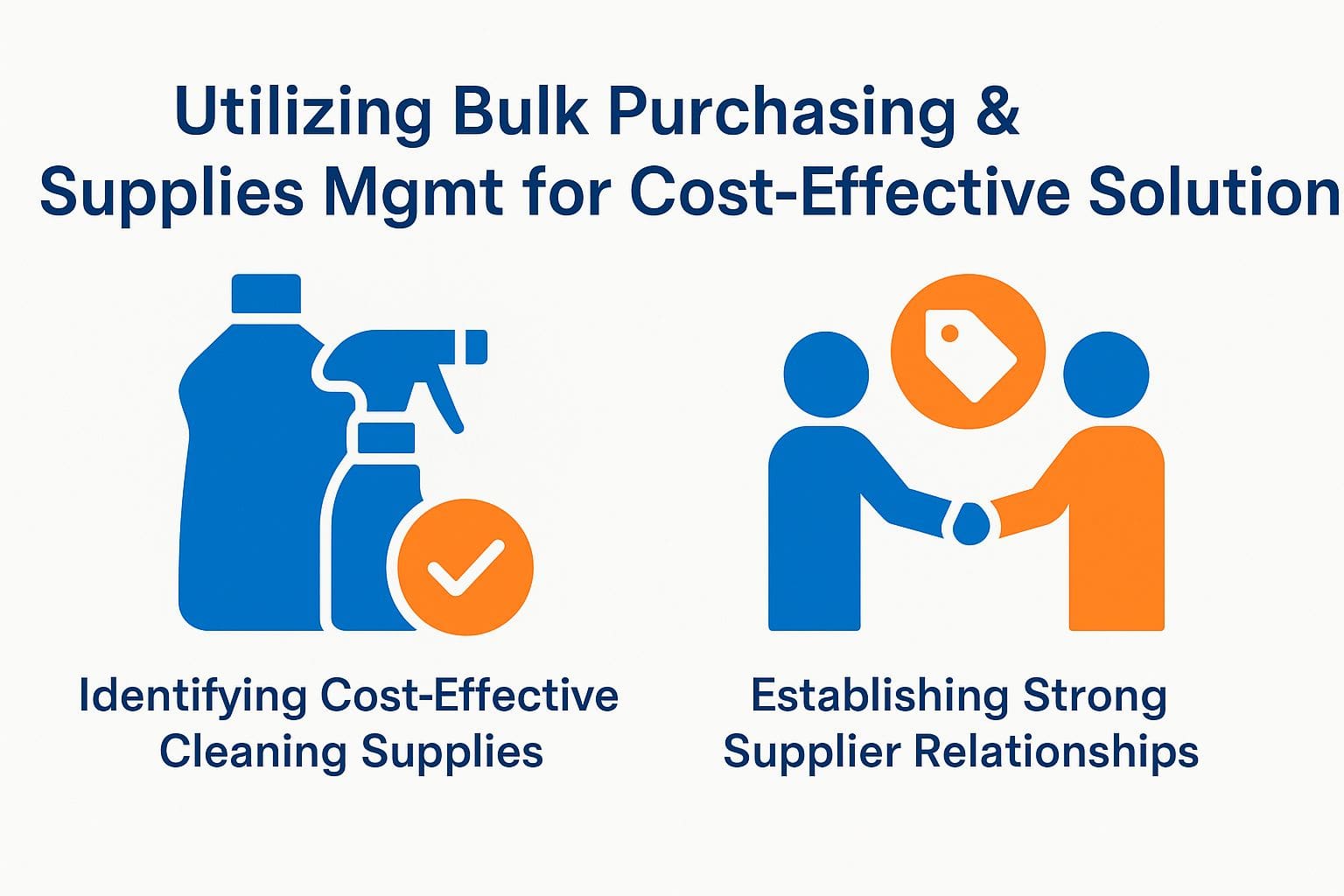
Identifying Cost-Effective Cleaning Supplies and assessing value
Identifying cost-effective cleaning supplies can help reduce overall cleaning expenses while maintaining industry standards and quality assurance.
To evaluate cleaning supplies effectively, consider these key criteria: cost, effectiveness, quality control, and eco-friendly products.
For instance, multi-surface cleaners like Simple Green (around $12) offer strong cleaning power while being biodegradable and supporting cleaning best practices.
For bulk purchasing, platforms such as Amazon Business can provide discounts on brands like Clorox, which may range from $25 for a case of 6, facilitating service contracts.
Choose products that have environmental labels, like Green Seal, to confirm they are eco-friendly, adhere to cleaning protocols, and still offer good quality.
This complete approach can help you make informed choices while managing expenses well, leading to higher profit margins.
Establishing Strong Supplier Relationships for contract negotiation
Building good relationships with suppliers can result in better prices, improved service reputation, and higher service quality in cleaning operations.
To build effective partnerships, prioritize open communication, client communication, and regular evaluations. Schedule meetings every three months to check performance numbers and address any problems quickly.
For example, a cleaning service might negotiate discounts for bulk purchases during these meetings, ensuring both parties benefit and improving service differentiation.
Use tools like Trello or Google Sheets to track supplier performance over time, documenting any issues, resolutions, and service accountability.
By collaborating and actively participating in conversations, you can make services better, develop more effective pricing strategies, and make sure your operations run successfully.
Measuring and Adjusting Cleaning Strategies for competitive analysis
Checking and updating cleaning methods often can lead to better results, align with cleaning methodologies, and save money in the long run.
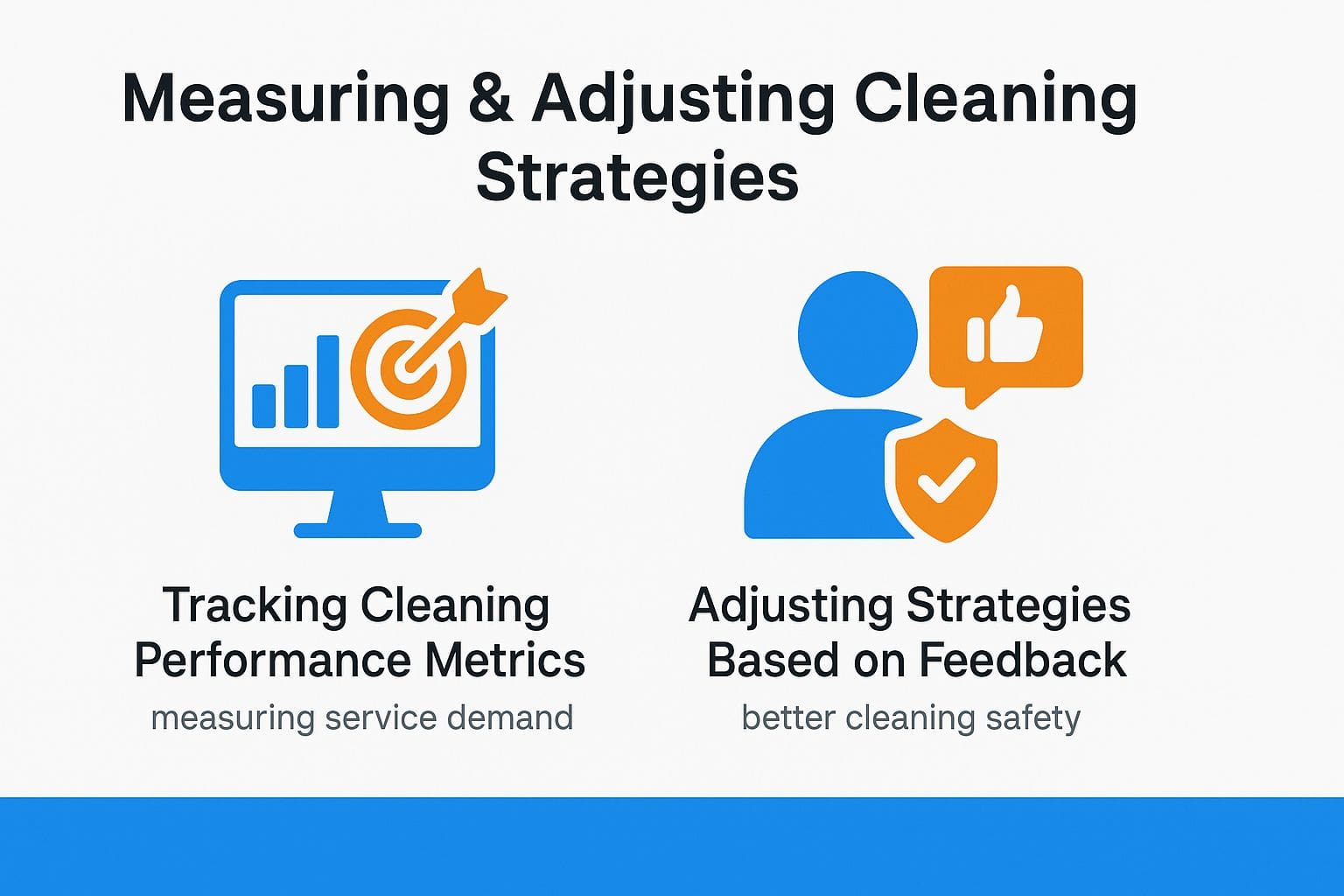
Tracking Cleaning Performance Metrics and measuring service demand
Tracking cleaning performance metrics, such as customer satisfaction, demand for cleaning, and service frequency, can identify areas for improvement.
To effectively monitor these metrics, implement tools like Google Analytics for market analysis and gather customer feedback through surveys.
You can also use satisfaction surveys like SurveyMonkey for client retention and to check client experiences after each service.
Industry-specific solutions such as Janitorial Manager enable you to track service frequency, productivity improvements, and labor productivity in real time.
By examining this information, you can find trends to make service better, keep customers coming back, and make them happier.
Adjusting Strategies Based on Feedback for better cleaning safety
Using customer feedback to change cleaning methods can make the service better, allow for personalized service, and retain more clients.
- Begin by gathering feedback through surveys or follow-up calls, asking clients clear questions about their cleaning preferences and areas they are worried about. Also, perform a cleaning review to check for completeness.
- For instance, if customers express dissatisfaction with tardiness, set a clear schedule and communicate updates proactively. You can use tools like Google Forms for surveys or platforms like SurveyMonkey for more detailed analyses and budget forecasting.
- Make changes based on feedback; consider buying better equipment to work faster or change staff schedules for on-time service. Checking this data often improves client satisfaction, builds loyalty, and aligns with risk management strategies.
About The Author
Jordan Blake is a B2B strategist and contributor at Price It Here, where she shares expert advice on buying decisions and business growth. She holds a Bachelor’s in Business Administration from the University of Michigan and an MBA from Northwestern’s Kellogg School of Management.
With over a decade of experience in procurement and vendor strategy, Jordan helps businesses save money and scale smarter. Her practical insights make her a trusted voice for entrepreneurs seeking cost-effective, results-driven solutions.
